By Dan Larson ·
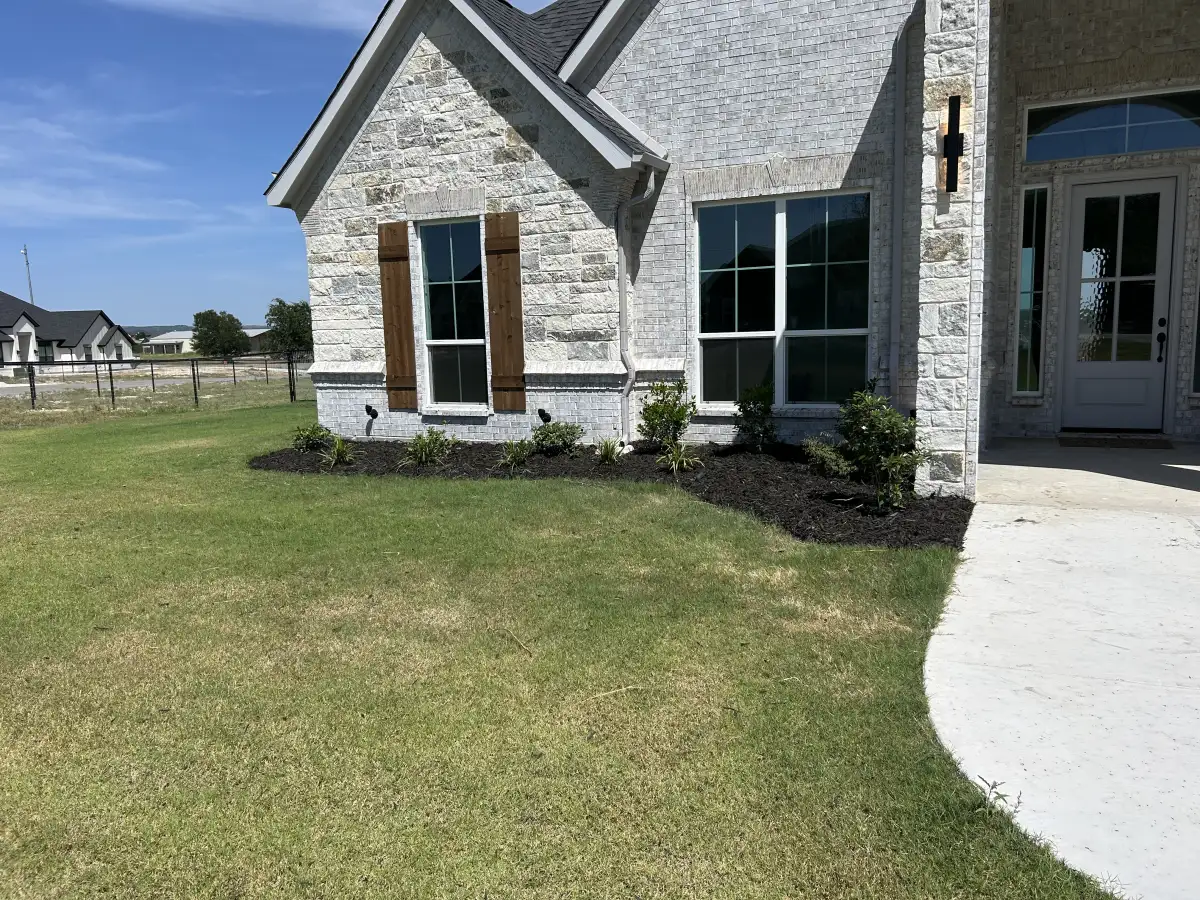
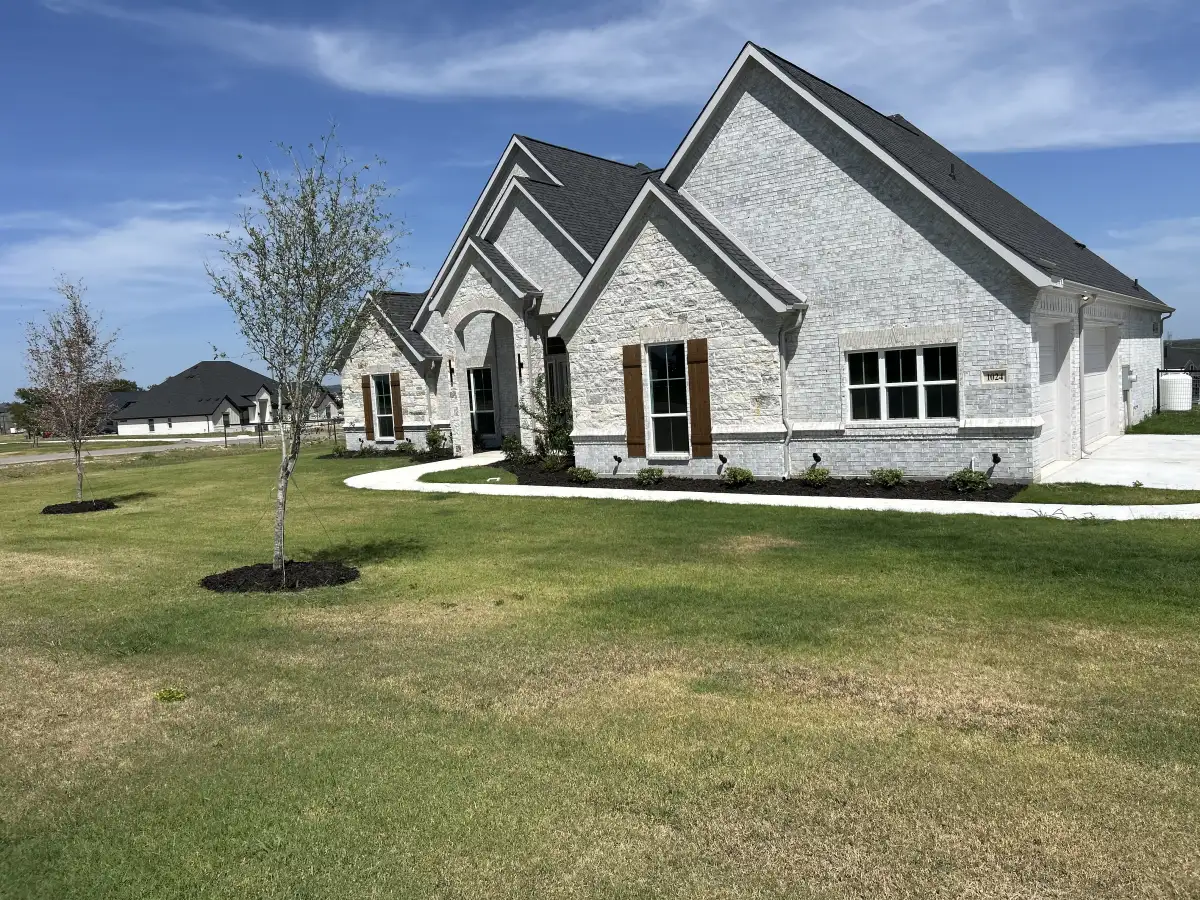
North Texas landscapes demand a different approach than most of the country. Weatherford sits in USDA Zone 8a, where average minimum winter temperatures reach 10 to 15 degrees Fahrenheit. But our real challenge is not the cold. It is the combination of intense summer heat exceeding 100 degrees, clay-heavy soil that expands and contracts dramatically, and unpredictable weather patterns that can shift from drought to flooding in a single week.
After years of designing and maintaining landscapes across Parker County, I have developed a seasonal approach that accounts for these specific conditions. This guide breaks down what your landscape needs in each season to look its best year-round.
Spring (March through May)
Spring is the most critical planting window in North Texas. The ground thaws, soil temperatures rise, and plants have the full growing season ahead to establish root systems before summer stress arrives.
March: Preparation
Apply pre-emergent herbicide to flower beds and turf before soil temperatures reach 55 degrees consistently. In Weatherford, this window typically falls in the first two weeks of March. Prune ornamental grasses to 4 to 6 inches above ground level. Remove winter-damaged branches from crape myrtles and live oaks, but avoid heavy pruning of oaks during active sap flow to reduce oak wilt risk.
April: Planting Season
This is the optimal month for installing new softscape plantings and flower beds. Soil is warm enough for root development but heat stress has not yet peaked. Apply 2 to 3 inches of quality mulch around plantings, keeping it 3 inches from tree trunks. Begin regular watering schedules for new installations — deep watering twice per week rather than daily shallow watering.
May: Establishment
Bermuda grass and Zoysia lawns are actively growing. Mow Bermuda to 1.5 to 2 inches and Zoysia to 2 to 2.5 inches. Fertilize warm-season turf with a slow-release nitrogen fertilizer. Monitor new plantings for signs of transplant shock and adjust watering as temperatures climb. May is also the last reliable month for major hardscape installations before summer heat makes working conditions more challenging.
Summer (June through August)
Summer in Parker County is a survival exercise for landscapes. Temperatures routinely exceed 100 degrees, and drought conditions are common. The focus shifts from growth to preservation.
June through July: Heat Management
Water deeply and infrequently. Established lawns need approximately 1 inch of water per week. In clay soil, split irrigation into two sessions (0.5 inches each) to prevent runoff. Water between 4:00am and 8:00am to reduce evaporation loss. Raise mowing height by 0.5 inches across all turf types to shade root zones and reduce heat stress.
Clay soil in the Weatherford area contracts during drought, creating gaps around slabs and hardscape. Monitor drainage systems for shifting or settling. Maintain consistent soil moisture near slabs to prevent uneven settling.
August: Late Summer Care
August is typically the hottest and driest month in North Texas. Avoid fertilizing turf during extreme heat, as it forces growth the grass cannot sustain. Deadhead perennials to encourage continued blooming. Check mulch depth in flower beds — summer heat and decomposition often thin the layer below the effective 2-inch minimum. This is also an excellent time to plan fall hardscape and landscape projects, as contractors are less booked and materials are readily available.
Fall (September through November)
Fall is the second-best planting season in North Texas and the ideal time for hardscape work. Temperatures moderate, fall rains return, and plants have cool months ahead to establish roots before summer.
September: Recovery
Overseed thin areas of Bermuda and Zoysia turf. Apply a fall fertilizer (higher in potassium to strengthen roots for winter). Resume normal mowing heights as temperatures drop below 95 degrees. Begin fall cleanup of dead summer annuals and spent perennials.
October: Prime Installation Month
October is the best month of the year for planting trees and shrubs in Parker County. Soil is still warm enough for root growth, but air temperatures are comfortable. This is also the ideal window for retaining wall and fire pit construction — cool working conditions, dry weather, and time for concrete and mortar to cure properly before freeze risk.
November: Winterization
Apply 3 to 4 inches of mulch around perennials and newly planted shrubs for winter insulation. Disconnect and drain irrigation lines in zones susceptible to freezing. Clean out gutters and check drainage channels before winter rains. Plant cool-season annuals like pansies and snapdragons for winter color in flower beds.
Winter (December through February)
Winter in Weatherford is mild by national standards, but periodic hard freezes can damage unprepared landscapes. Use this season for planning and structural work.
December through January: Dormant Season
Prune deciduous trees and shrubs while dormant. Avoid pruning spring-blooming species like Texas Mountain Laurel and Redbud until after they flower. Water evergreen shrubs and trees during dry winter stretches — a deep watering every 2 to 3 weeks during drought prevents winter desiccation. Monitor hardscape for frost heave in areas with poor drainage.
February: Planning Season
Schedule spring installations and design consultations before the busy season begins. Apply dormant oil spray to fruit trees and roses to control overwintering insects. Begin prepping flower beds by turning soil and amending clay with compost. February is also ideal for grading and pathway projects that need to be complete before spring planting begins.
Year-Round Principles for Parker County
Three principles apply across every season in this region. First, always amend Parker County clay soil with 3 to 4 inches of compost worked into the top 6 to 8 inches before planting. Clay holds moisture but drains poorly and compacts easily. Second, group plants with similar water needs together to prevent overwatering drought-tolerant species or underwatering thirsty ones. Third, invest in proper drainage before investing in plantings — the best plants in the world will fail in waterlogged soil.
Every landscape in Weatherford is different. Slope, shade, existing trees, and soil composition vary from property to property. If you are planning a seasonal refresh or a complete transformation, contact us for a free consultation. We will walk your property, evaluate conditions, and develop a plan tailored to your specific landscape.