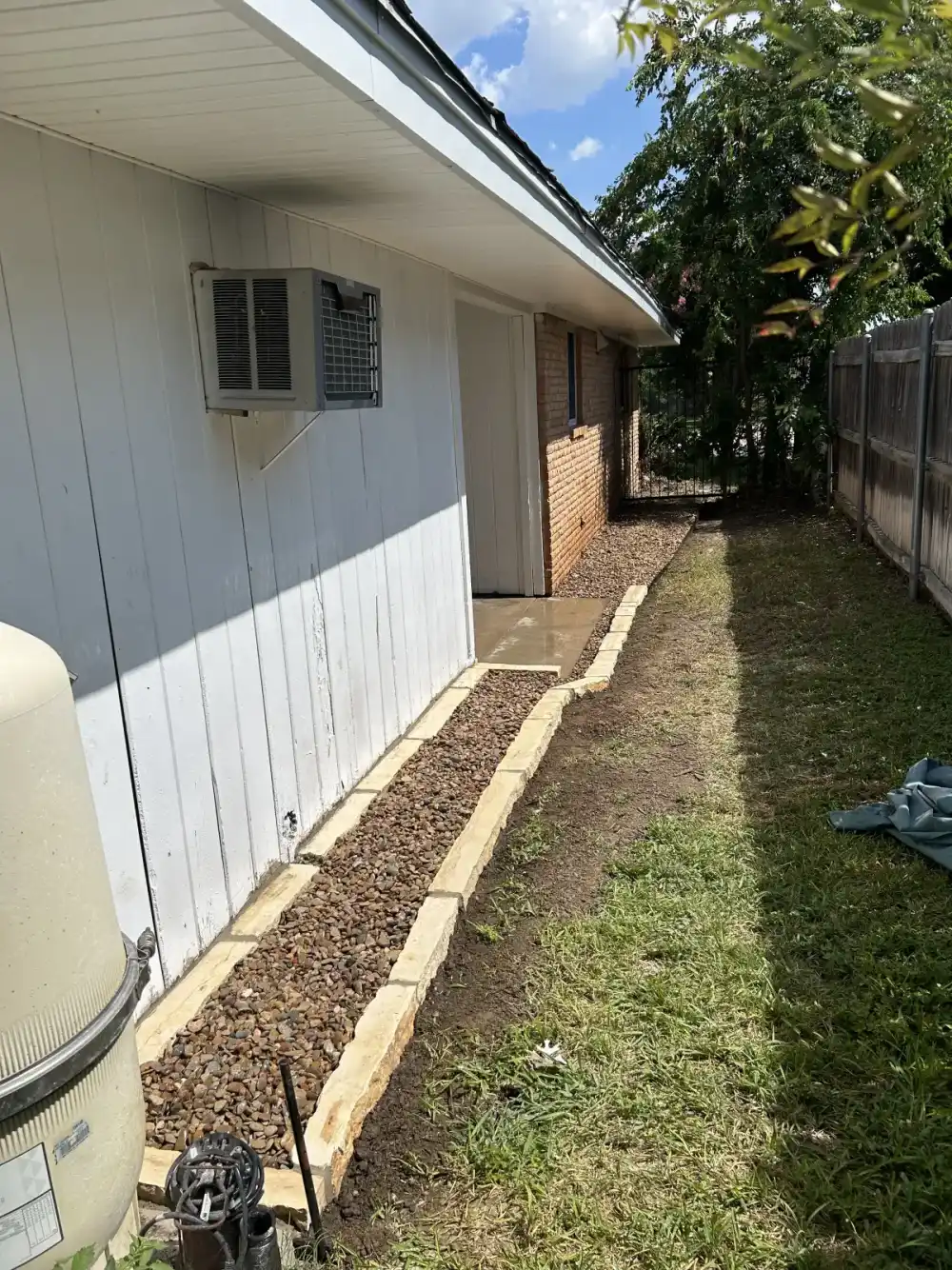
Drainage Solutions in Weatherford, TX
Professional drainage installation engineered for North Texas clay soil. French drains, catch basins, channel drains, and yard grading to eliminate standing water and protect your home's foundation.
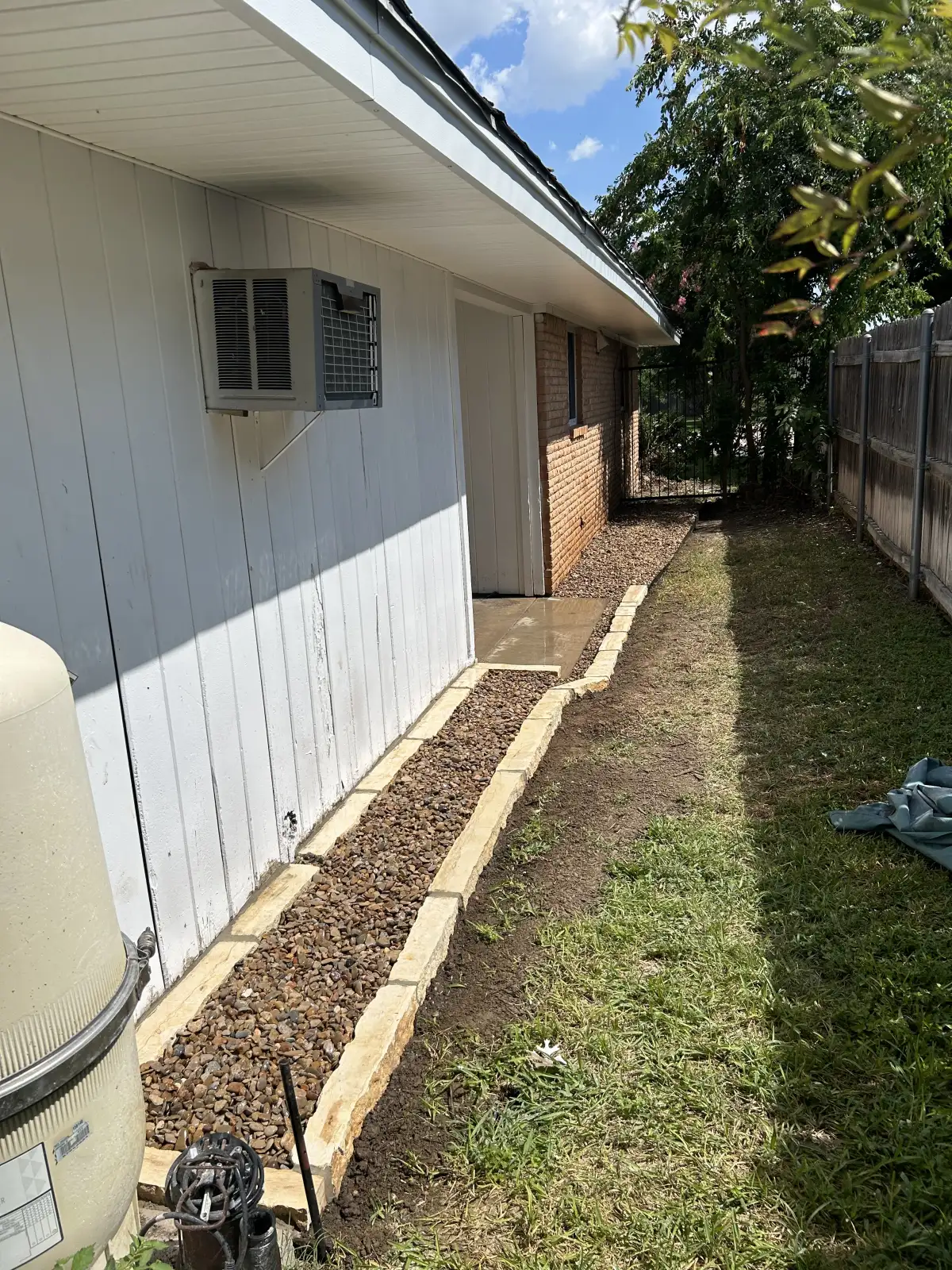
Why Weatherford Properties Need Drainage Solutions
Standing water in your yard is not just an inconvenience — it is an active threat to your home's foundation, landscaping, and property value. Weatherford, TX sits on heavy clay soil that absorbs water extremely slowly, with percolation rates as low as 0.06 inches per hour according to the USDA Natural Resources Conservation Service. When rain falls faster than the soil can absorb it (which happens during most North Texas storms), water pools on the surface and follows the path of least resistance — often directly toward your foundation.
The consequences of poor drainage in Parker County are expensive. Foundation repair costs in North Texas average $4,000 to $12,000 according to the Foundation Repair Association. Persistent standing water kills grass within days, breeds mosquitoes (a public health concern in Texas), and creates muddy, unusable yard areas for months at a time. According to the Texas A&M AgriLife Extension, expansive clay soil exerts up to 15,000 pounds per square foot of swelling pressure when saturated — enough to crack foundations, buckle sidewalks, and heave fence posts.
L&L Landscape and Design provides comprehensive drainage solutions designed specifically for Parker County's clay soil challenges. We combine surface grading with underground drainage systems to intercept water before it reaches your foundation and redirect it to appropriate discharge points. Our drainage installations use high-quality materials designed to function for decades without repairs or blockages. For a detailed breakdown of each drainage method and how it performs in our clay, read our yard drainage solutions guide.
Types of Drainage We Install
French Drains
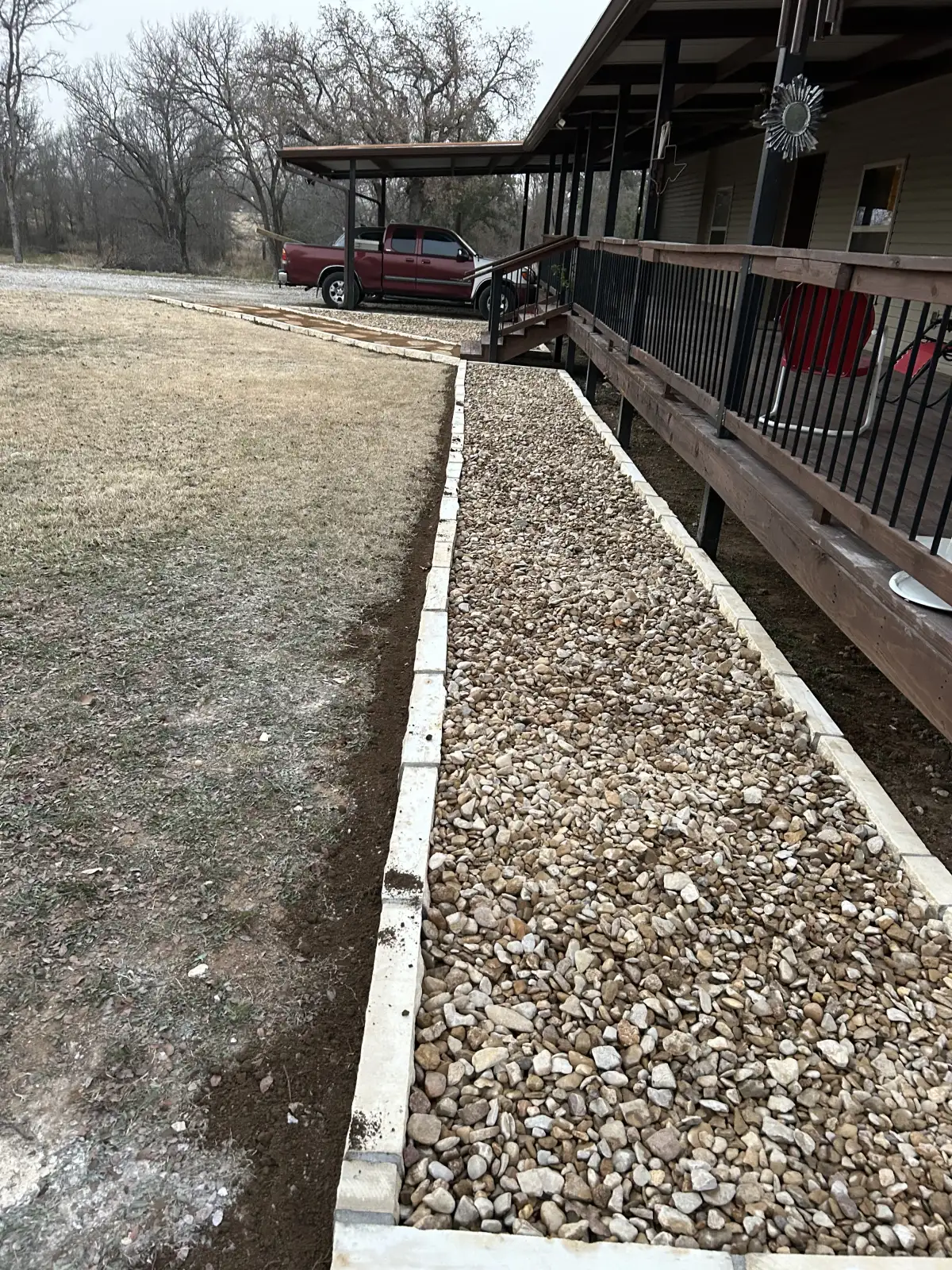
A French drain is a gravel-filled trench containing a perforated pipe that collects subsurface water and redirects it away from problem areas. This is the most effective solution for Weatherford's clay soil because it intercepts water underground before it saturates the soil near your foundation. We install French drains with 4-inch perforated PVC or corrugated pipe wrapped in filter fabric to prevent clay particles from clogging the system. The trench is backfilled with washed aggregate and topped with sod or decorative rock for a clean finished appearance.
Surface Drains & Catch Basins
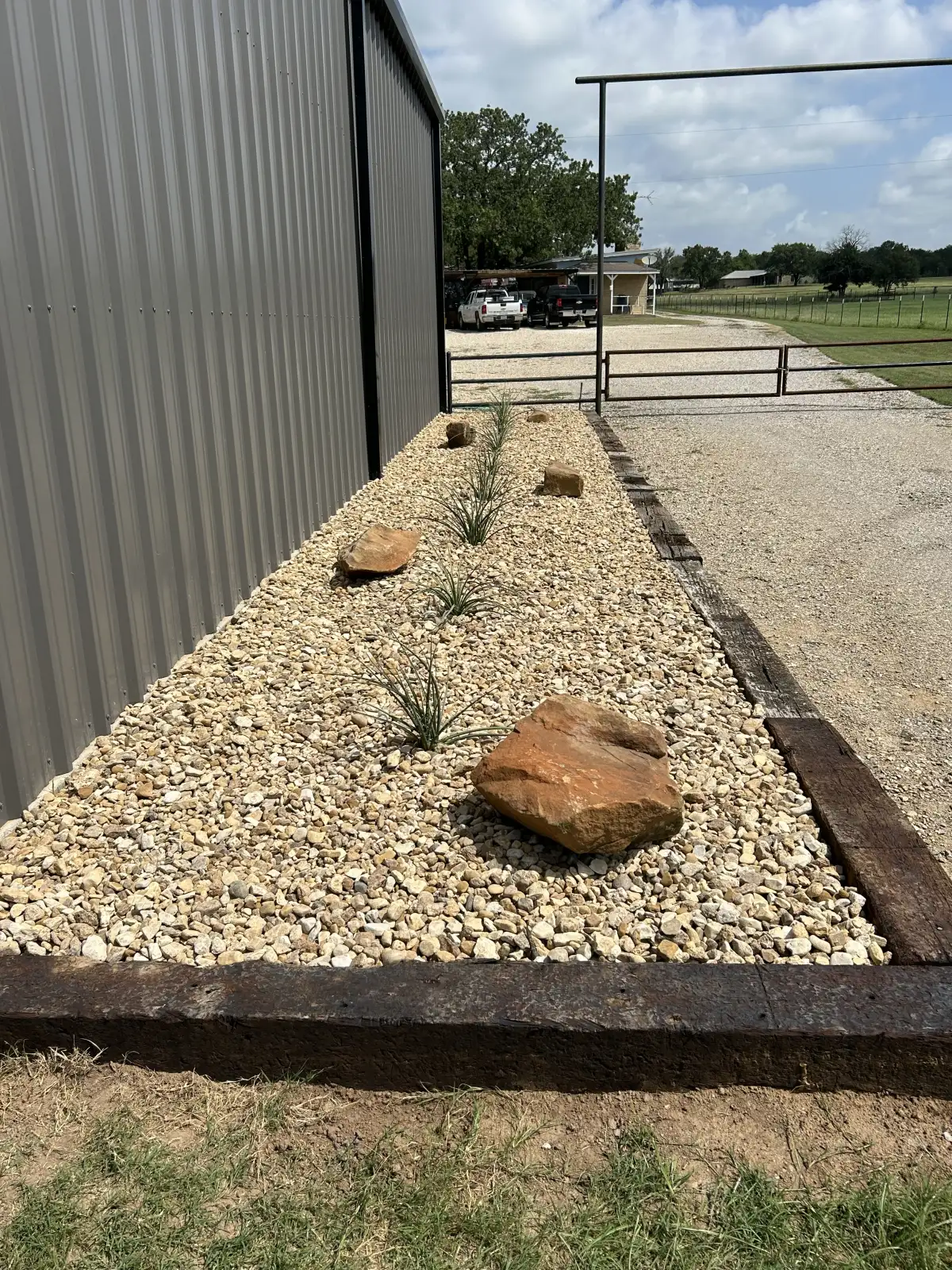
Surface drains collect standing water from low spots, patios, and paved areas through grated inlets connected to underground pipe that carries the water to a discharge point. Catch basins are larger collection boxes installed at points where multiple drain lines converge. We use NDS-brand drainage components rated for residential use with debris screens that prevent clogging. These systems are essential around patios and at the base of retaining walls where water tends to pool.
Channel Drains
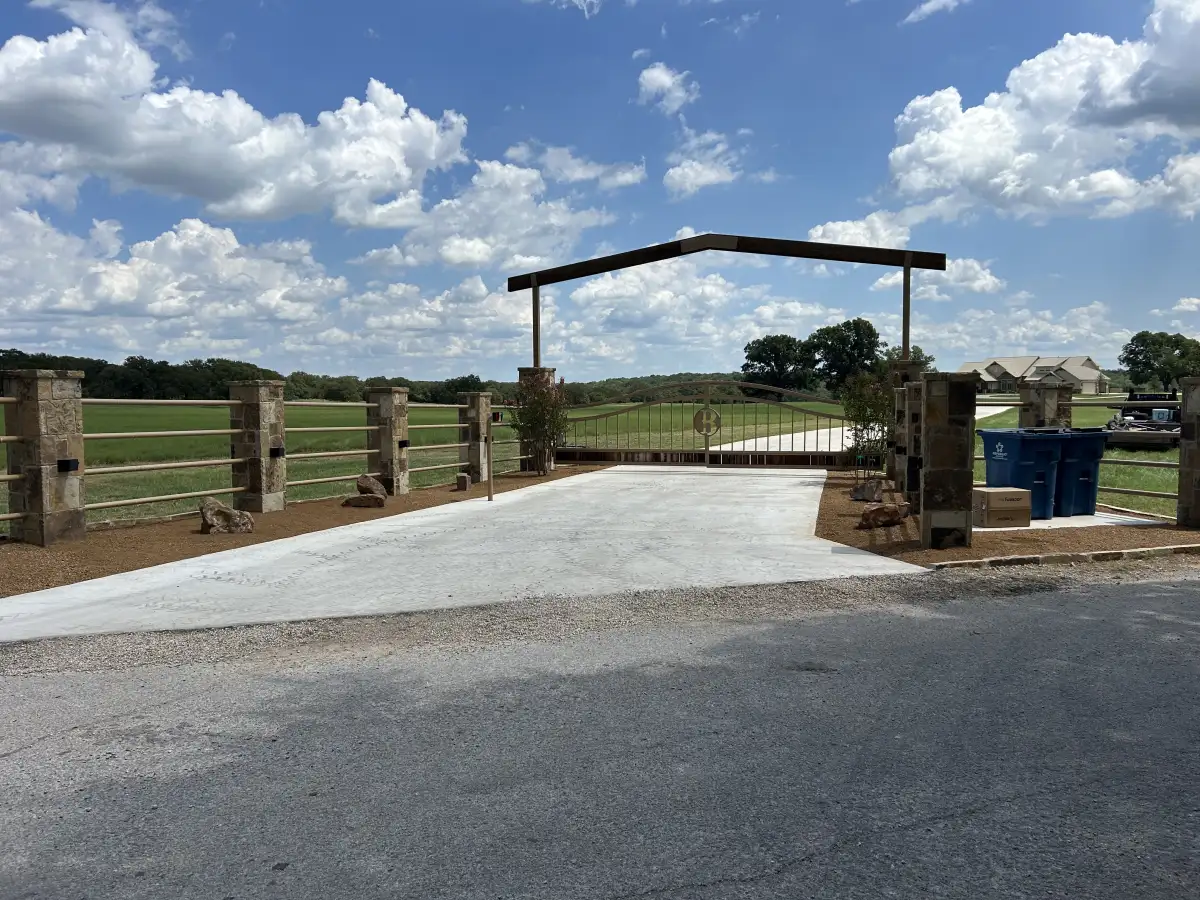
Channel drains (also called trench drains) are long, narrow grated channels installed flush with the surface to intercept sheet flow across driveways, patios, and walkways. They are particularly effective at the transition point where a driveway meets a garage floor, or along the edge of a patio where water would otherwise flow into adjacent landscaping. We install channel drains with pre-sloped bases that maintain consistent flow to the discharge point without requiring additional grade.
Downspout Extensions & Pop-Ups
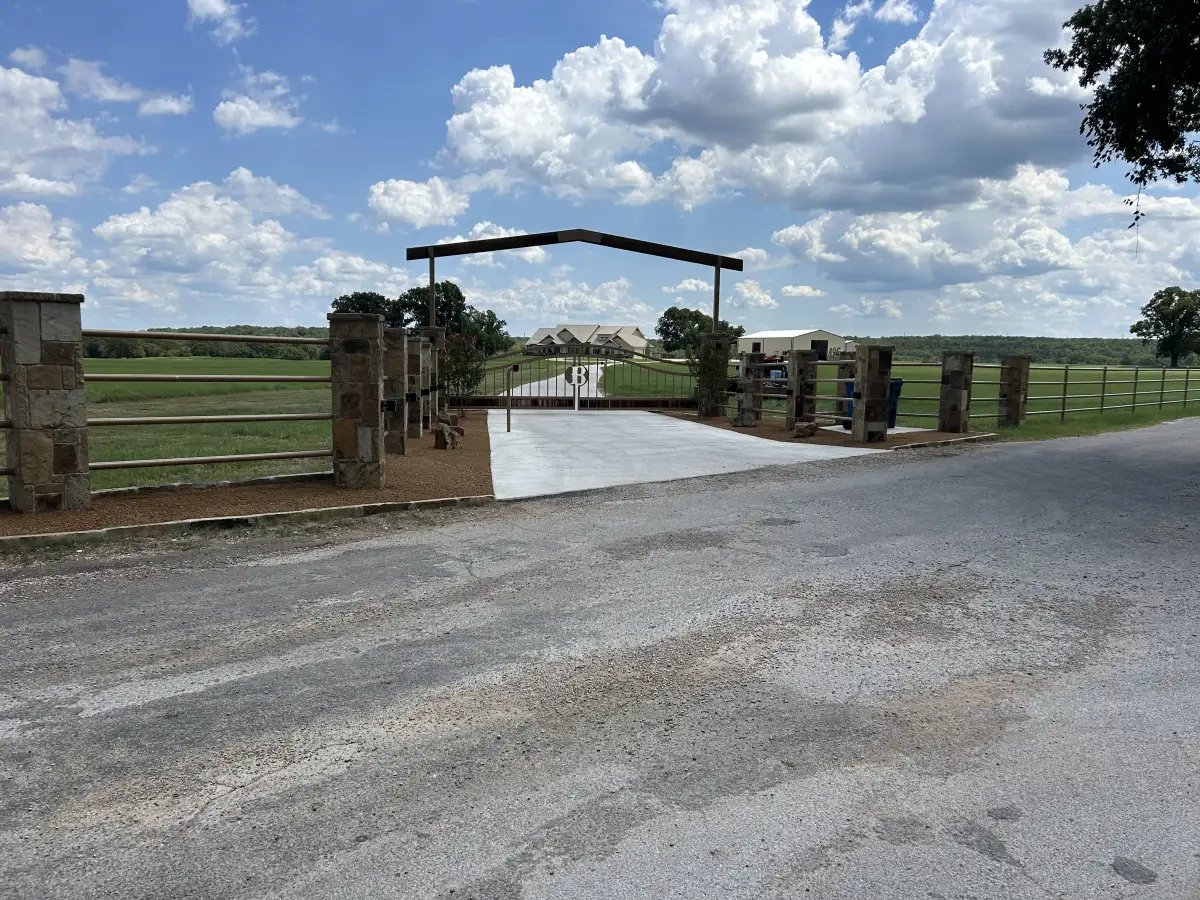
Roof runoff is the single largest source of concentrated water around a home's foundation. A 1,500-square-foot roof generates approximately 935 gallons of water per inch of rainfall according to the U.S. Geological Survey. Standard downspout extensions simply dump this volume 2-3 feet from the foundation — not enough in clay soil. We connect downspouts to underground pipes that carry roof water 10-15 feet away from the foundation to pop-up emitters or dry wells, ensuring the water is discharged where it cannot damage your home.
Which Drainage System Is Right for You?
| System | Best For | Visibility | Lifespan |
|---|---|---|---|
| French Drain | Subsurface water, foundation protection | Hidden underground | 25-40 years |
| Catch Basin | Low spots, pool water collection | Small grate visible | 30+ years |
| Channel Drain | Driveways, patios, walkways | Linear grate visible | 30+ years |
| Downspout Extension | Roof runoff, foundation walls | Hidden underground | 20-30 years |
| Swale (Grading) | Surface water, broad areas | Blends with lawn | Permanent |
North Texas Clay and Your Property
Parker County sits on the Weatherford geological formation — predominantly composed of expansive clay minerals that swell when wet and shrink when dry. This creates a cycle of ground movement that affects every structure and landscape element on your property. During wet periods, the clay swells and pushes against foundations, retaining walls, and fence posts. During drought periods, the clay contracts and cracks, creating voids that allow water to channel directly to foundation footings during the next rain.
This is why drainage is not optional in Weatherford — it is essential infrastructure. Properly installed drainage systems interrupt this destructive cycle by removing excess water before it saturates the soil near structures. The investment in drainage pays for itself many times over compared to the cost of foundation repair, landscape replacement, and property damage caused by unmanaged water.
L&L Landscape and Design understands these soil dynamics from years of working on Parker County properties. We design drainage systems that account for the soil's slow percolation rate, the region's intense storm patterns that can deliver 2-4 inches of rain in under an hour, and the seasonal movement of clay that can shift pipe alignment if installation depth and bedding are not properly specified.
Drainage Works Best With
Grading & Pathways
Surface grading directs water to drainage collection points. These services work hand-in-hand.
Learn MoreRetaining Walls & Patios
Every retaining wall needs drainage behind it. Every patio needs drainage around it.
Learn MoreCustom Landscape Design
Drainage is built into every comprehensive landscape plan from the start.
Learn MoreDrainage FAQs
French drain installation in the Weatherford area typically ranges from $25 to $50 per linear foot depending on depth, pipe diameter, and site accessibility. A typical residential French drain running 40-80 linear feet along one side of a home would fall within a range of a few thousand dollars including excavation, perforated pipe, washed aggregate, filter fabric, and surface restoration. Costs increase for deeper installations, tight access areas requiring hand digging, or systems that include multiple branch lines and catch basins. We provide free, detailed estimates that break down every component so you understand exactly what you are investing in.
Fixing standing water requires identifying why it is pooling. The three most common causes in Weatherford are: improper yard grading that directs water toward low spots instead of away from them, compacted clay soil that prevents water absorption, and insufficient drainage around downspouts that concentrate roof runoff. The solution depends on the cause. Mild pooling may be resolved with regrading alone. Persistent standing water in clay soil typically requires a French drain or catch basin system to physically remove water from the problem area. Dan diagnoses the specific cause during a free on-site evaluation and recommends the most cost-effective solution.
A properly installed French drain lasts 25-40 years before requiring replacement. The most common cause of premature failure is clay soil particles migrating into the gravel and pipe, which is why we wrap all pipe and aggregate in non-woven geotextile filter fabric — this prevents clay intrusion while still allowing water to pass through. We also use rigid or corrugated pipe rated for direct burial rather than thin-wall drainage tile, which can crush under soil pressure over time. The quality of materials and installation technique directly determines whether your French drain lasts 10 years or 40.
While DIY French drain installation is possible, several factors make professional installation strongly advisable in Parker County. First, the heavy clay soil is extremely difficult to dig — a 40-foot trench at 18 inches deep and 12 inches wide requires moving approximately 3 cubic yards of dense clay, which weighs over 4 tons. Second, proper slope must be maintained at a minimum of 1% grade throughout the entire run, which requires precise measurement. Third, buried utility lines (gas, water, electric, cable) must be located before digging — Texas law requires calling 811 before excavation. Finally, improper installation in clay soil leads to premature failure and costly reinstallation. The cost difference between DIY and professional installation is modest when you factor in equipment rental, materials, and the value of a system that actually works long-term.
Drainage installation requires trenching, which temporarily disrupts a narrow strip of your yard. However, we minimize the impact by using narrow trenching techniques, carefully setting aside and preserving sod for reinstallation, and routing lines along natural borders (fence lines, bed edges, property lines) wherever possible. Most trenches are only 8-12 inches wide, and the surface is restored with original sod or fresh sod upon completion. Within 2-4 weeks, the trench lines are typically invisible. We plan routing during the free consultation to minimize disruption to existing plantings, hardscape, and irrigation lines.
Tired of Standing Water in Your Yard?
Schedule a free drainage assessment with Dan. We will identify the cause, design the right system, and give you a transparent estimate to fix it permanently.